


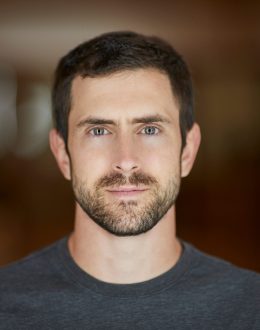
Keller Rinaudo keynote speaker
- AI, Robotics & the Future of the Physical Economy
- Building the World's Largest Autonomous Delivery System
- Innovation at Scale: From Impossible Idea to Global Infrastructure
- Mission-Driven Leadership
- Reinventing Logistics: The Future of Instant Delivery
- Technology That Saves Lives
- The Fourth Industrial Revolution: When AI Meets the Physical World
- The Future of Healthcare Logistics
Keller Rinaudo Cliffton is a robotics entrepreneur, innovator, and the Co-Founder and CEO of Zipline, the autonomous logistics company transforming how essential goods move around the world. By combining robotics, artificial intelligence, autonomous aircraft, and logistics, Keller and his team are building a new kind of delivery infrastructure designed to provide fast, reliable access to everything from life-saving medicines to everyday products.
Zipline first attracted global attention by using autonomous aircraft to deliver blood and medical supplies to hospitals and health facilities in Rwanda. What began as an ambitious solution to a healthcare logistics problem has developed into an autonomous delivery network operating across multiple countries and continents. By 2025, Zipline reported more than 80 million commercial autonomous miles flown, serving healthcare as well as consumer and food-delivery applications.
Keller's vision extends far beyond drones. He sees autonomous delivery as an opportunity to fundamentally reinvent logistics: replacing slow, centralized and carbon-intensive transportation with small, electric autonomous vehicles capable of moving products directly to people, quickly and efficiently. In a Goldman Sachs interview, he described Zipline's ambition as creating a new logistics system for Earth that could approach the convenience of "teleportation."
The company's journey also offers a powerful case study in innovation at scale. Rather than beginning in the world's wealthiest technology markets, Zipline launched its first national-scale service in Rwanda in 2016. The network subsequently expanded from blood deliveries to medicines, vaccines, animal-health products, nutrition treatments and e-commerce. Keller has described Rwanda's entrepreneurial government and willingness to embrace new solutions as central to Zipline's early success.
Before Zipline, Keller co-founded robotics company Romotive, creator of the smartphone-powered Romo robot. His fascination with ambitious technology began even earlier at Harvard University, where he worked on biological computers built from RNA and DNA that could operate inside cells. The research was published in Nature Biotechnology, making him one of the publication's youngest first authors at the time.
Keller also brings an unusual perspective on risk and perseverance. Before becoming a technology entrepreneur, he was a nationally ranked professional rock climber. That appetite for difficult challenges has carried into his approach to entrepreneurship: he has spoken openly about failure, experimentation and the importance of choosing a mission significant enough to sustain a team through the inevitable difficulties of building something new.
A compelling TED speaker and international keynote presenter, Keller offers audiences a firsthand look at what happens when robotics, AI and autonomous systems leave the laboratory and begin solving real-world problems at scale.

2009 Nobel Prize Winner in Chemistry, British-American Molecular Biologist, Former...



* and we really do it immediately