


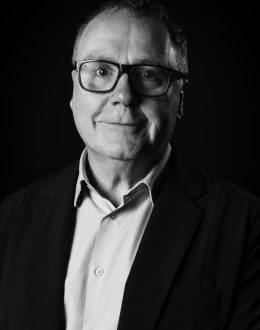
Greg Clark keynote speaker
- How Technology Is Reshaping Cities and Communities
- Infrastructure and the Next Wave of Sustainable Growth
- Leadership Lessons from Global Cities
- The Future of Cities: Globalisation, Innovation, and Climate Resilience
- Urban Competitiveness and Investment Strategies
Prof Greg Clark CBE FAcSS is a globally recognised urbanist, author, advisor and keynote speaker who has worked with more than 400 cities across six continents, as well as 40 national governments and 20 multilateral institutions. His work explores how cities and the built environment, when well led and understood, can become powerful drivers of shared prosperity, sustainability, innovation and belonging.
A sought-after international speaker, Greg opens and closes major congresses, world summits and industry gatherings around the globe. Drawing on decades of advisory work, original research and first-hand experience with city leaders, investors and institutions, he creates each keynote specifically for the event, audience and location.
At the heart of Greg's work are three distinctive frameworks: The DNA of Cities, examining what makes individual places unique and why similar policies produce different outcomes; The Century of Cities, exploring the decisive period of global urbanisation from 1980 to 2080; and The Planet of Cities, which considers the world's approximately 15,000 cities as an interconnected system of trade, migration, capital and ideas.
His keynote themes include city leadership and metropolitan governance, the future of urbanisation, housing and urban finance, real estate investment, innovation districts, technology and the next economy, net zero cities, destination economies, tourism, city identity and soft power, and the evolving urban social contract.
Greg brings a distinctive perspective to these subjects. He argues that urbanisation is increasingly a choice rather than a destiny and that governance often determines outcomes more than geography. He advocates investing in infrastructure ahead of growth, treating housing as critical national infrastructure, and approaching technology as an enabler rather than a strategy in itself. His work also explores how innovation districts can succeed as ecosystems rather than simply property projects and how cities can achieve optimum tourism through effective management and integrated place leadership.
Greg has chaired more than 20 city advisory boards, including initiatives involving New York, Mumbai, São Paulo, Johannesburg, Sydney, Auckland, Barcelona, Vienna and Oslo. He has advised the World Bank, Inter-American Development Bank and European Investment Bank on cities and urban investment. He was formerly Group Advisor on Future Cities and New Industries at HSBC and Chair of Connected Places Catapult, the UK's innovation accelerator for cities and the built environment.
He is an Honorary Professor of Urban Innovation at the University of Strathclyde and teaches at the London School of Economics. He presents The Century of Cities with Jennifer Dolynchuk and The DNA of Cities with Dr Caitlin Morrissey, writes The Planet of Cities for RICS and the World Built Environment Forum, and is the Global Cities expert on the BBC World Service series My Perfect City.
Greg is the author of ten books and more than 100 reports, with further books planned through 2033. His commentary and expertise have appeared across international media including the BBC World Service, The Guardian, The Wall Street Journal, Harvard Business Review, The Times, El País, The Australian, South China Morning Post, The Banker and many others.
His previous leadership positions also include Chair of the UK Cities Commission for Climate Investment, Board Member and Committee Chair at Transport for London, and Chair of the OECD Forum of Cities and Regions.
Whether addressing hundreds of city leaders or thousands of international delegates, Greg combines original argument, global evidence, comparative insight and compelling storytelling with practical conclusions that leaders can apply. His presentations range from 20–40 minute keynotes and extended plenary addresses to fireside conversations, debates and 60–90 minute masterclasses.




* and we really do it immediately